AI-Driven SAP Systems: The Next Evolution of Enterprise Resource Planning
Today, a new wave of innovation is transforming this landscape: the generation of Artificial Intelligence (AI). When combined with advanced ERP platforms such as SAP S/4HANA, AI enables businesses to move beyond traditional data management toward intelligent decision-making and automated operations.
AI-driven SAP systems represent a major shift in how organizations operate. Instead of simply recording transactions and generating reports, modern ERP platforms can now predict outcomes, recommend actions, and automate complex processes. According to SAP announcements, the company has already introduced more than 230 AI scenarios across its portfolio, with plans to exceed 400 AI scenarios by the end of 2025, enabling enterprises to unlock significant productivity improvements.
This evolution is reshaping ERP systems from static operational tools into dynamic, intelligent platforms capable of adapting to rapidly changing business environments.
How AI Is Transforming SAP ERP Systems
Traditional ERP systems rely heavily on structured workflows and manual analysis. While they provide centralized data and operational visibility, decision-making often depends on human interpretation of reports. AI fundamentally changes this model by embedding intelligence directly into enterprise processes.
Modern SAP platforms integrate machine learning, predictive analytics, and generative AI to automate tasks and enhance business insights. For example, AI algorithms can analyze historical purchasing data to forecast demand patterns, detect anomalies in financial transactions, or optimize inventory management. Instead of waiting for issues to occur, organizations can anticipate risks and respond proactively.
A major innovation in this area is SAP’s generative AI copilot, Joule, which acts as a digital assistant within enterprise applications. This AI assistant allows users to ask business questions in natural language and instantly receive insights or automated actions. Joule can retrieve data across multiple systems, generate reports, and even trigger workflows—reducing manual effort and speeding up decision-making.
The result is a more intuitive ERP environment where employees interact with enterprise systems as easily as they would with a conversational assistant.
Key Benefits of AI-Driven SAP Systems
AI integration into SAP platforms offers several advantages that go beyond traditional ERP capabilities. These benefits extend across departments and industries, helping organizations operate more efficiently and strategically.
For example, procurement teams can use AI to automatically classify supplier data, detect contract inconsistencies, and recommend optimal purchasing strategies. Finance departments benefit from AI-driven anomaly detection that identifies potential fraud or compliance risks before they escalate.
By embedding intelligence directly into business processes, AI transforms ERP systems into proactive platforms that continuously learn and improve.
The Role of SAP Business Technology Platform
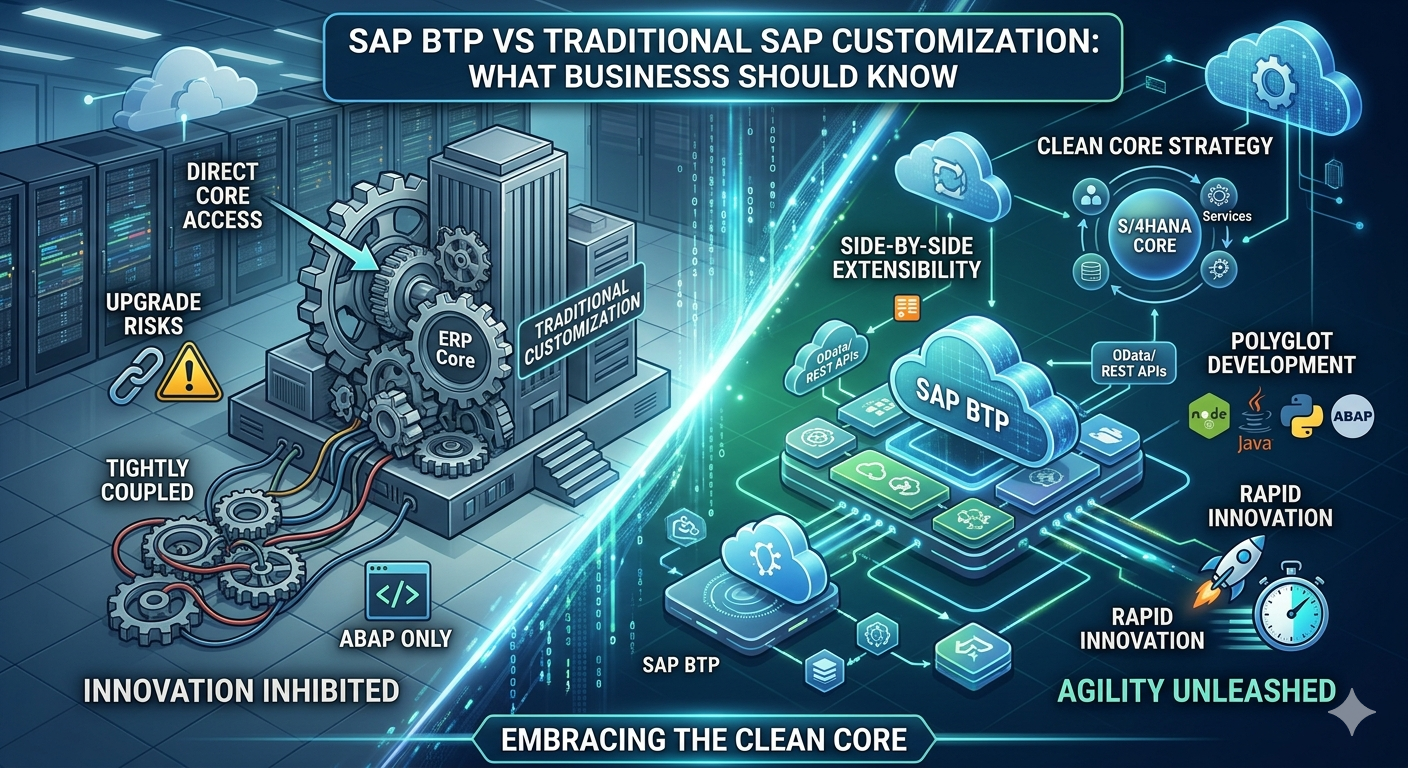
The SAP Business Technology Platform (SAP BTP) is a significant element permitting AI-enabled ERP systems. It is the central building block of the convergence of technology for data management, analytics, application development, and artificial intelligence.
SAP BTP allows organizations to build intelligent applications that extend ERP functionality while maintaining data consistency across systems. AI models can access enterprise data stored within SAP environments, enabling advanced analytics and automated decision-making. Through this integration, businesses gain a unified ecosystem where data, applications, and AI operate seamlessly.
Another advantage of SAP BTP is its ability to connect SAP systems with external applications and data sources. This ensures that AI insights are not limited to internal ERP data but can incorporate broader market signals, customer behavior, and operational metrics.
Real-World Applications Across Industries
AI-driven SAP systems are already transforming operations across multiple industries. In manufacturing, AI can analyze equipment performance data to predict maintenance needs and prevent costly downtime. In retail, intelligent demand forecasting helps optimize inventory levels and reduce stockouts.
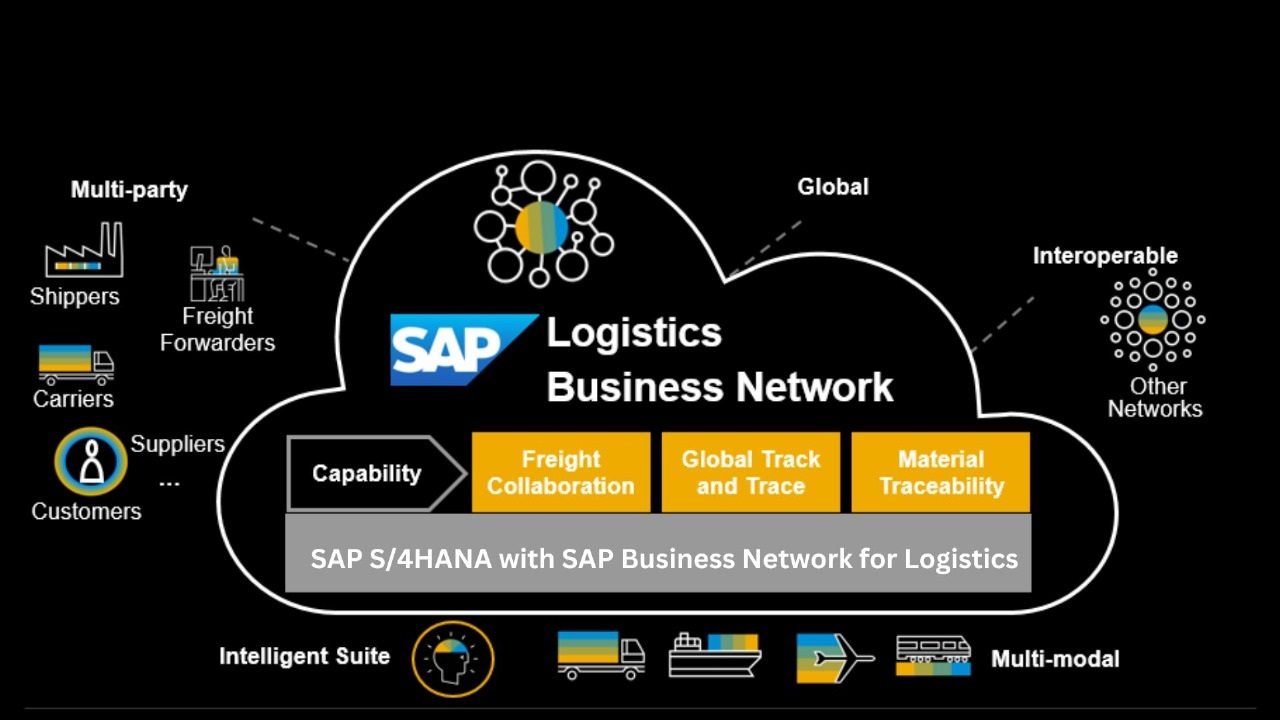
Supply chain management is another area where AI-powered ERP systems provide significant value. By analyzing logistics data, weather patterns, and market demand, AI algorithms can dynamically adjust supply chain operations to minimize delays and costs.
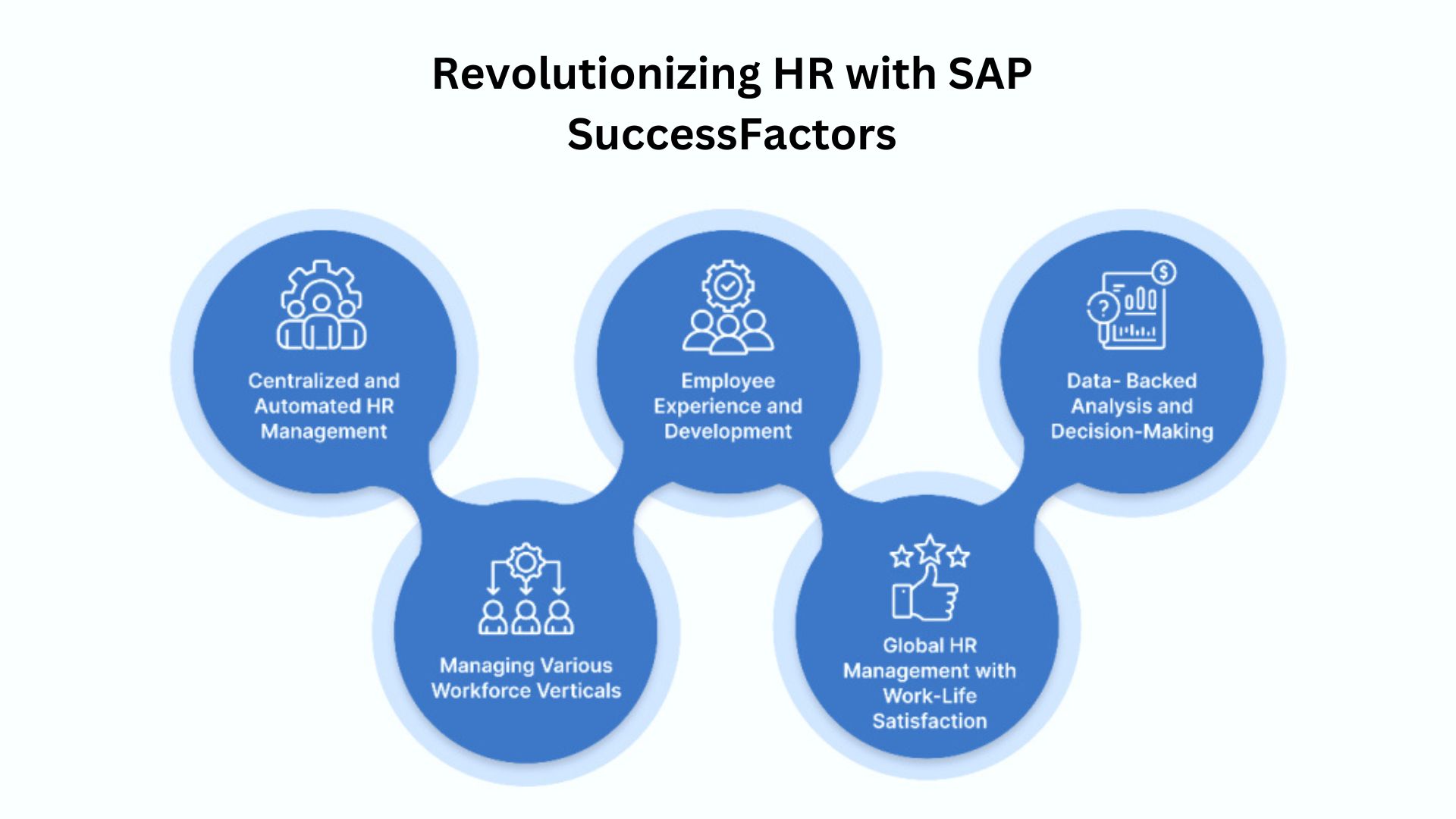
Human resources departments also benefit from AI integration. Intelligent HR systems can automate employee queries, analyze workforce data for retention insights, and recommend talent development strategies. This allows HR professionals to focus more on strategic initiatives rather than administrative tasks.
The Future of AI-Driven ERP
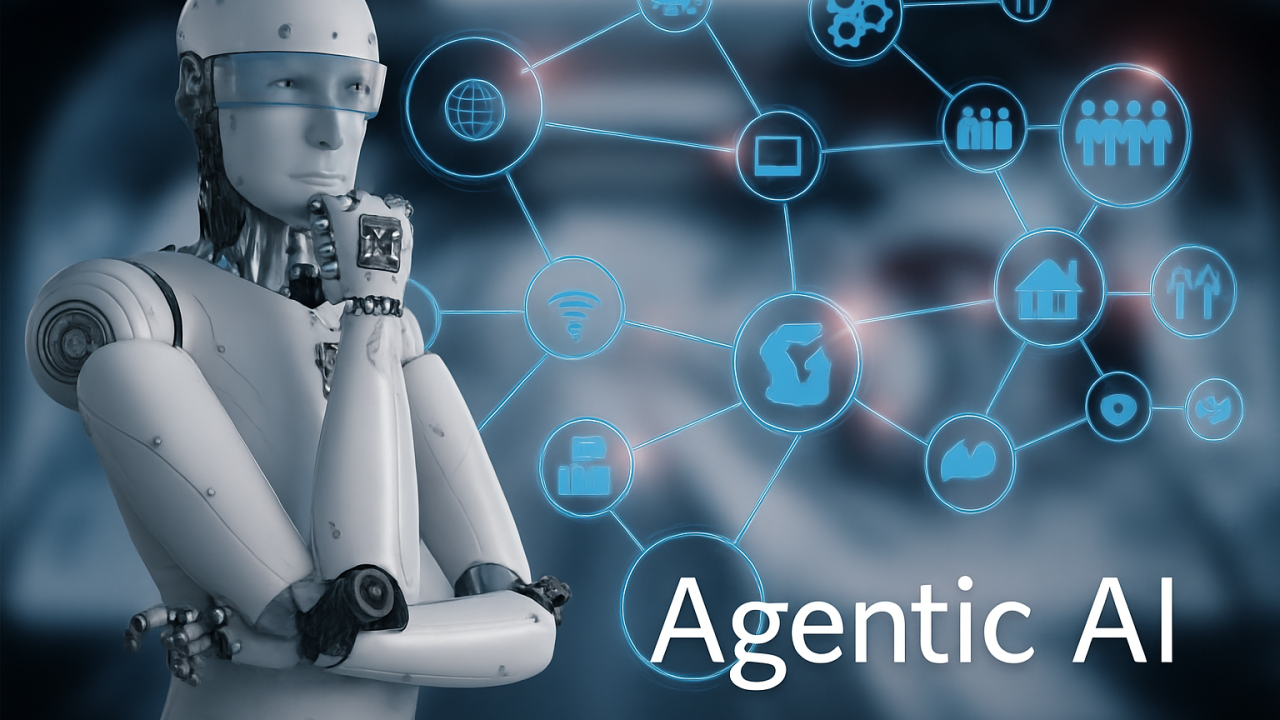
As AI technology continues to evolve, the capabilities of SAP ERP systems will expand even further. Emerging innovations such as autonomous process automation, AI agents, and predictive business simulations are expected to redefine enterprise operations.
Future ERP platforms will likely operate as self-optimizing systems, continuously analyzing data and adjusting workflows to maximize efficiency. AI assistants will become more contextual and proactive, suggesting actions before users even request them.
Organizations adopting AI-driven SAP systems today are positioning themselves for a future where enterprise software not only supports business operations but actively drives strategic growth.
Conclusion
AI-driven SAP systems mark the next stage in the evolution of Enterprise Resource Planning. By embedding artificial intelligence into core business processes, modern ERP platforms are becoming smarter, faster, and more adaptive. From predictive analytics and automation to conversational interfaces and real-time insights, AI enables organizations to transform data into meaningful action.
For businesses aiming to remain competitive in a data-driven economy, adopting AI-enabled SAP solutions is no longer just an innovation—it is a strategic necessity. As AI continues to reshape enterprise technology, SAP systems will play a central role in enabling intelligent, resilient, and future-ready organizations.